




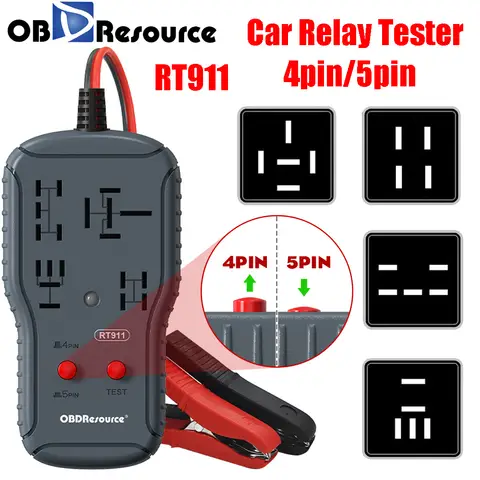





Results for car tester
The best car testers on the market offer a range of diagnostic and testing capabilities that help users identify and resolve vehicle issues efficiently. Whether you're a professional mechanic or a DIY enthusiast, choosing the right car tester can significantly improve your ability to troubleshoot and maintain your vehicle. This article provides a comprehensive overview of car testers, including their key features, how to use them, and recommendations for different use cases. When someone searches for car tester, the primary search intent is usually to find a reliable diagnostic or testing tool for vehicles. This could include everything from basic code readers to advanced OBD2 scanners and multimeters. Users may be looking to diagnose engine problems, test battery health, or check electrical systems. A car tester is essential for anyone who wants to understand what's going on under the hood without relying solely on a mechanic. Let’s consider a common scenario: you start your car in the morning, and the check engine light is on. You want to know what the issue is before heading to a repair shop. Here’s how you can use a car tester to address this: Summary of the solution: Use an OBD2 car tester to read diagnostic trouble codes (DTCs) and interpret them to identify the root cause of the problem. Step-by-step solution:
- Connect the car tester to the OBD2 port, usually located under the dashboard near the steering wheel.
- Turn the ignition to the on position without starting the engine.
- Power on the car tester and select the appropriate mode for reading codes.
- Scan for any stored diagnostic trouble codes (DTCs).
- Review the codes and their descriptions to understand the issue.
- Clear the codes if the issue has been resolved or if you want to reset the system.
- Diagnostic Trouble Code (DTC)
- A code generated by a vehicle's onboard computer to indicate a specific issue with the engine or other systems.
- OBD2 Port
- A standardized 16-pin connector used to access a vehicle's onboard diagnostics system.
- Code Reader
- A basic device used to read and clear DTCs from a vehicle's computer.
- OBD2 Scanner
- An advanced version of a code reader that can also monitor live data and perform more detailed diagnostics. When choosing a car tester, it's important to consider the specific features you need. For example, if you're a professional mechanic, you may require a tester with advanced capabilities such as CAN bus support, live data streaming, and the ability to perform actuator tests. On the other hand, a casual user may only need a basic code reader. Here’s a comparison of three popular car testers:
| Tester Model | Features | Price Range | Best For |
|---|---|---|---|
| BlueDriver Bluetooth OBD2 Scanner | Bluetooth connectivity, live data, DTC reading, app integration | $50–$70 | DIY users and casual mechanics |
| Autel MaxiCOM MK808 | Wi-Fi connectivity, bidirectional control, live data, ABS and SRS diagnostics | $150–$200 | Professional mechanics and advanced users |
| ScanTool Pro OBD2 Scanner | USB connectivity, DTC reading, live data, freeze frame data | $30–$50 | Budget-conscious users and basic diagnostics |